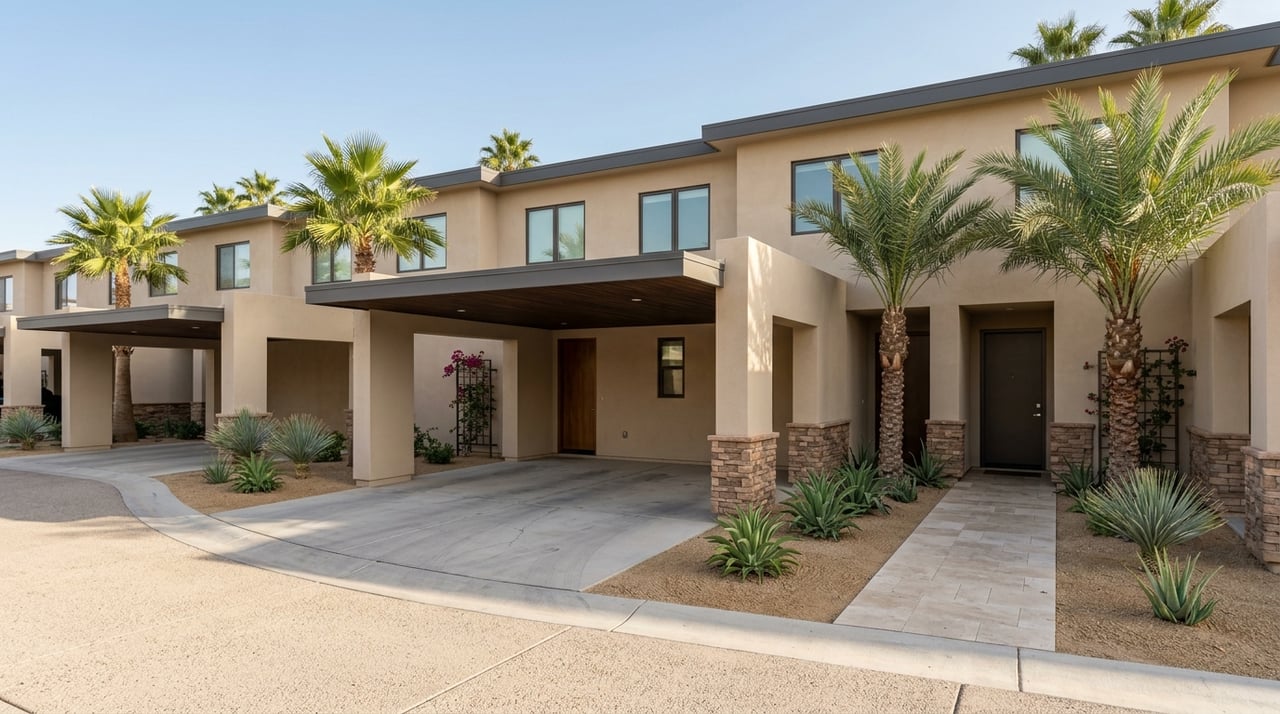
Picture yourself stepping off the course at The Quarry at La Quinta and heading home to sunset views and quiet desert skies. If you are exploring a luxury second home here, the lifestyle is clear, but the financing can feel less so. The good news is that with the right plan, you can navigate jumbo loans, asset-based qualifying, and HOA or club dues with confidence. This guide breaks down what to expect and how to prepare so your loan process is smooth from offer to close. Let’s dive in.
Second home basics
A second home is a property you occupy part of the year for your own use. Lenders expect that you will not operate it as an investment or short-term rental. That is different from a primary residence and from an investment property.
Why it matters: lenders underwrite second homes with rules that are stricter than primary residences and different from investment properties. Expect higher reserve requirements and closer review of all expenses tied to ownership.
The Quarry context
The Quarry at La Quinta is a private, gated golf community in Riverside County with club amenities and an HOA. Many owners are seasonal and out of area. Communities like this often have meaningful HOA or club dues and may have rental limitations.
Lenders consider these factors during underwriting. You will be asked to document dues, any initiation fees that are required with ownership, and whether rentals are limited by the HOA.
Conforming vs. jumbo
Your loan type depends on price and loan amount. Loans at or below the conforming loan limit can be eligible for agency programs. Above that limit, you will use a jumbo mortgage.
In luxury communities like The Quarry, jumbo loans are common because home prices often exceed conforming limits. Pricing and terms vary by lender, and requirements tend to be stricter than for conforming loans.
Jumbo loans at a glance
Jumbo loans are designed for loan amounts above the conforming cap. Typical features include:
- Down payment: 20 percent is common, and some lenders prefer 25 to 30 percent for higher loan-to-value or risk profiles.
- Credit: strongest pricing is often reserved for 720+ scores. Some lenders approve 680 to 700 with stronger reserves.
- Documentation: expect detailed verification of income and assets.
- Reserves: many lenders want 12 months of PITI in liquid reserves, sometimes more for very large loans or multiple properties.
Interest rates can be comparable to or higher than conforming loans depending on the market and your profile.
Portfolio and private bank options
Some banks keep loans in house and can be flexible with qualifying. Private banking programs may consider your overall relationship, net worth, and liquidity instead of relying only on paystubs and a strict debt-to-income ratio.
These can be helpful if you have complex income, multiple properties, or substantial assets. Terms and pricing vary by institution and may require significant deposit or investment balances.
Asset-based qualifying
If much of your income is from investments, you may qualify using asset depletion. Lenders convert eligible assets into a monthly income figure for underwriting.
Two common methods include:
- Percentage method: a lender may apply a conservative annual rate, such as 3 to 5 percent, to eligible assets and divide by 12 for monthly income.
- Division method: a lender may divide total eligible assets by a set number of months, such as 240 or 360, to produce a monthly figure.
Not all assets are treated the same. Some lenders limit or exclude retirement accounts, or they require more documentation. Methods and eligible asset types vary, so clarify the approach early.
Other ways to structure your purchase
- Cash: simple and fast, but not right for everyone.
- HELOC or bridge from your primary residence: can help fund the down payment or purchase while timing a sale.
- Securities-backed or pledged-asset lines: non-mortgage credit against your portfolio. These products follow different margin and risk rules than mortgages.
What lenders review in golf communities
Occupancy and rentals
Underwriters verify that your use matches a second home. Short-term rentals often conflict with second-home guidelines. If you plan to rent the property, the loan may be treated as an investment with different requirements.
HOA and club dues
Monthly HOA dues count toward your housing expenses and affect your debt-to-income ratio. If club membership fees are mandatory for ownership, lenders treat those as recurring obligations too. You will be asked for documentation, such as HOA statements or resale certificates, that disclose dues and any special assessments.
Reserves
Reserves are liquid funds left after closing. For luxury second homes, plan for 6 to 12 months of PITI on conforming loans and often 12 to 24 months on jumbo or portfolio loans, especially with large balances or multiple properties. This cushion shows you can continue payments if income fluctuates.
Taxes and insurance
California property taxes are calculated under Proposition 13 with a base rate around 1.0 percent of assessed value plus local assessments. Taxes and homeowners insurance are part of your PITI. In the Coachella Valley, lenders will also review hazard coverage and may require flood insurance if a property lies in a flood zone. High replacement-cost homes can carry higher premiums, which affect qualifying.
Simple illustrations
These examples are for illustration only. Lender methods vary.
- Asset depletion example: If you have $2,000,000 in eligible liquid assets and a lender uses a 3 percent annual rate, that can produce $60,000 per year, or $5,000 per month, to add to qualifying income.
- Reserve example: On a $2,000,000 purchase with 25 percent down, a $1,500,000 loan could carry an estimated $10,000 monthly PITI. If your lender requires 12 months of reserves, you would show $120,000 in liquid funds after closing. If HOA or club dues are $1,500 per month and mandatory, those dues are underwritten as part of your monthly obligations.
Your prep checklist
Gather these items before you apply to keep your file moving:
- Income and assets: two years of tax returns if applicable, recent paystubs, 60 to 90 days of bank and investment statements, and documentation of liquid reserves.
- HOA and club: CC&Rs, HOA dues schedule, any resale certificate or estoppel statement, and club requirements including initiation or annual dues.
- Insurance: a homeowners insurance replacement-cost estimate and any required flood or specialty coverage quotes.
- Asset-based qualifying: full statements for accounts you plan to use, plus any pledge documents for assets already tied to other loans.
- Private banking: if using a relationship program, gather statements and terms related to pledged-asset or securities-backed lines.
Smart questions to ask your lender
- Will this be treated as a second home if I plan occasional rentals under the HOA rules?
- What asset-annuitization method do you use, and what percentage or month divisor applies?
- How many months of PITI reserves do you require for a second-home jumbo at my loan size and with my existing properties?
- How do you treat mandatory club initiation fees and ongoing dues during underwriting?
- Do you offer portfolio or private banking options if standard jumbo guidelines are not a fit?
How to set your timeline
- Start the lender conversation early. Pre-approval that reflects second-home rules and all dues helps you write a confident offer.
- Request HOA and club documents during discovery. Underwriters will ask for them.
- Lock insurance estimates. Premiums affect your ratios for jumbo loans with higher replacement costs.
- Keep liquidity flexible. Avoid large transfers or new debts during underwriting.
Work with a local guide
Financing a luxury second home in The Quarry is very doable when you plan for jumbo requirements, reserves, and HOA or club dues. You deserve an advisor who understands La Quinta’s resort communities and how lenders view them.
If you are exploring properties at The Quarry or nearby clubs, reach out to Scott Braun for local guidance and a clear next step. We will help you align your purchase goals with a financing path that fits your lifestyle and timeline.
FAQs
What is considered a second home for mortgages in La Quinta?
- A second home is a property you occupy part of the year for personal use, not primarily as a rental, and it is underwritten differently than a primary residence or an investment property.
Do I need a jumbo loan to buy at The Quarry?
- Many Quarry purchases exceed conforming loan limits, so jumbo loans are common, but eligibility depends on your purchase price and loan amount.
How are HOA and club dues treated when I qualify?
- Lenders include monthly HOA dues and any mandatory club fees in your monthly obligations, which affect your debt-to-income ratio and reserve requirements.
How much should I plan for a down payment on a luxury second home?
- Jumbo lenders often want at least 20 percent down, and some scenarios price best at 25 to 30 percent depending on credit, loan size, and overall profile.
What credit score and DTI do lenders prefer for jumbo second homes?
- Many lenders look for strong credit, often 720+ for best pricing, and a DTI near or under 43 percent, though portfolio lenders may allow higher with compensating factors.
What documents will my lender request up front?
- Expect income and asset statements, HOA and club documentation, insurance estimates, and, if using asset depletion or private banking, account statements and any pledge terms.
Can I rent my Quarry home and still get second-home financing?
- If you plan frequent or short-term rentals, lenders may classify the loan as an investment property, so clarify HOA rules and your intended use with your lender early.