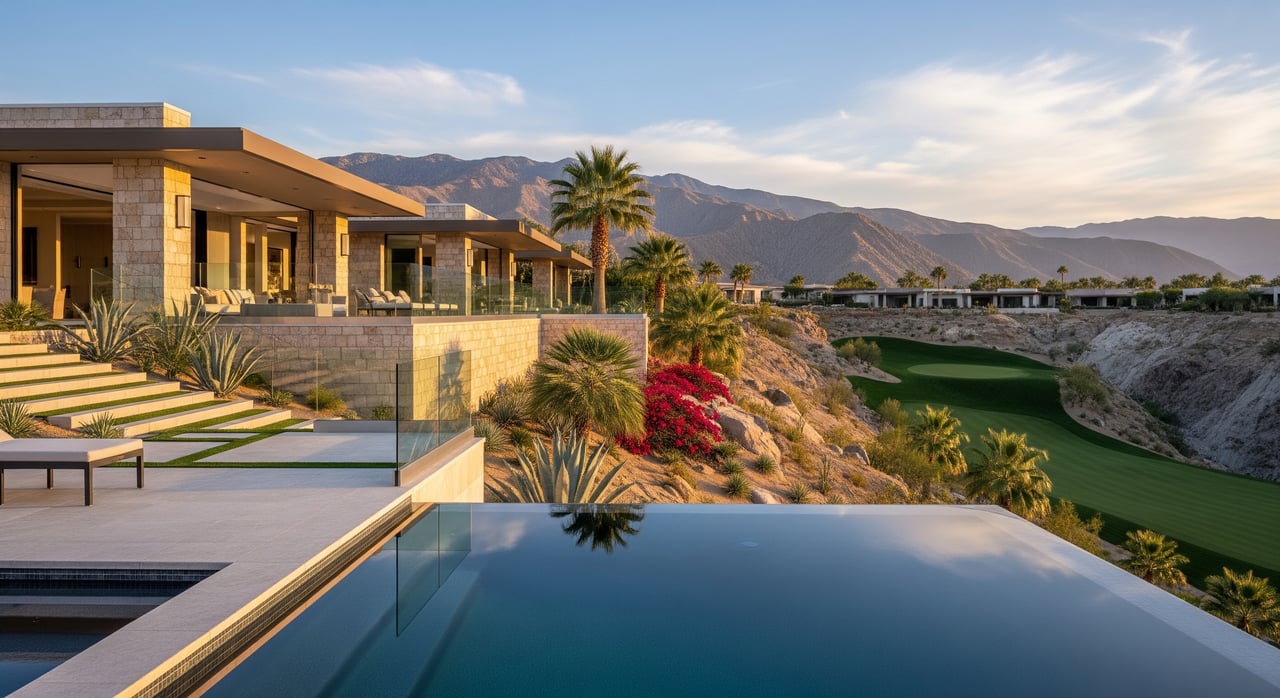
Why do two homes on the same street at The Quarry list a million dollars apart? If you are exploring this prized La Quinta enclave, you have likely noticed wide spreads in pricing, even among properties that look similar at first glance. You want to pay for what truly matters and avoid overpaying for features that do not fit your lifestyle.
This guide explains the key factors that drive home prices at The Quarry and how to evaluate them with confidence. You will learn which attributes command the highest premiums, how to analyze comps in a low-inventory market, and what local rules and costs can mean for long-term value. Let’s dive in.
The Quarry price drivers
Golf frontage and fairway views
Direct course frontage and unobstructed fairway or canyon views are among the strongest value drivers in luxury golf communities. Buyers commonly pay a premium for wide, unbroken vistas and the sense of prestige and scarcity that comes with true frontage. The size of the premium depends on view quality and whether you enjoy that view from primary living spaces and outdoor patios.
Consider how living areas and the primary suite orient to the view. A great room that opens to a panoramic fairway sightline is more valuable than a view you only catch from a side yard. Also ask whether the view corridor is protected or could change with future course updates.
Mountain and canyon views
In the Coachella Valley, mountain silhouettes, canyon drama, and sunset orientation matter. Panoramic and unobstructed views are priced above partial or framed outlooks. Elevation and lot placement that capture Santa Rosa Mountain backdrops and evening color can drive meaningful price differences.
Verify views at different times of day and during different seasons. In peak summer, heat haze can soften distant vistas. In winter, clarity can be exceptional.
Lot size and topography
Larger, flatter lots allow for better outdoor living and privacy buffers. Usable area usually beats raw acreage, especially on terraced or sloped parcels where yard function is limited. In a community where outdoor living is central, a well-shaped, buildable lot can justify a significant premium.
Review setbacks, easements, and any slope restrictions that could limit expansion plans. Odd shapes can reduce value unless they enhance privacy or preserve a view corridor.
Architecture and design quality
Homes with cohesive design, quality materials, and a clear architectural point of view tend to command stronger prices. Thoughtful desert-modern, Mediterranean, or other styles that resonate with the buyer pool often sell faster and closer to ask. Cookie-cutter or heavily altered properties may lag.
In a niche enclave, architectural pedigree or a known designer can matter to certain buyers. That said, overall fit with the neighborhood aesthetic and long-term appeal usually matter most.
Renovation and condition
Turn-key homes with updated kitchens, primary baths, systems, and smart features are more marketable. High-quality remodels in these areas often provide the best return in luxury communities. While upgrades rarely return dollar-for-dollar, buyers typically pay more for move-in readiness and lower near-term maintenance risk.
Request permit documentation for major work. Cosmetic refreshes without system upgrades or permits tend to add less value. Neutral, timeless finishes broaden appeal and reduce buyer pushback.
Privacy, orientation, and landscaping
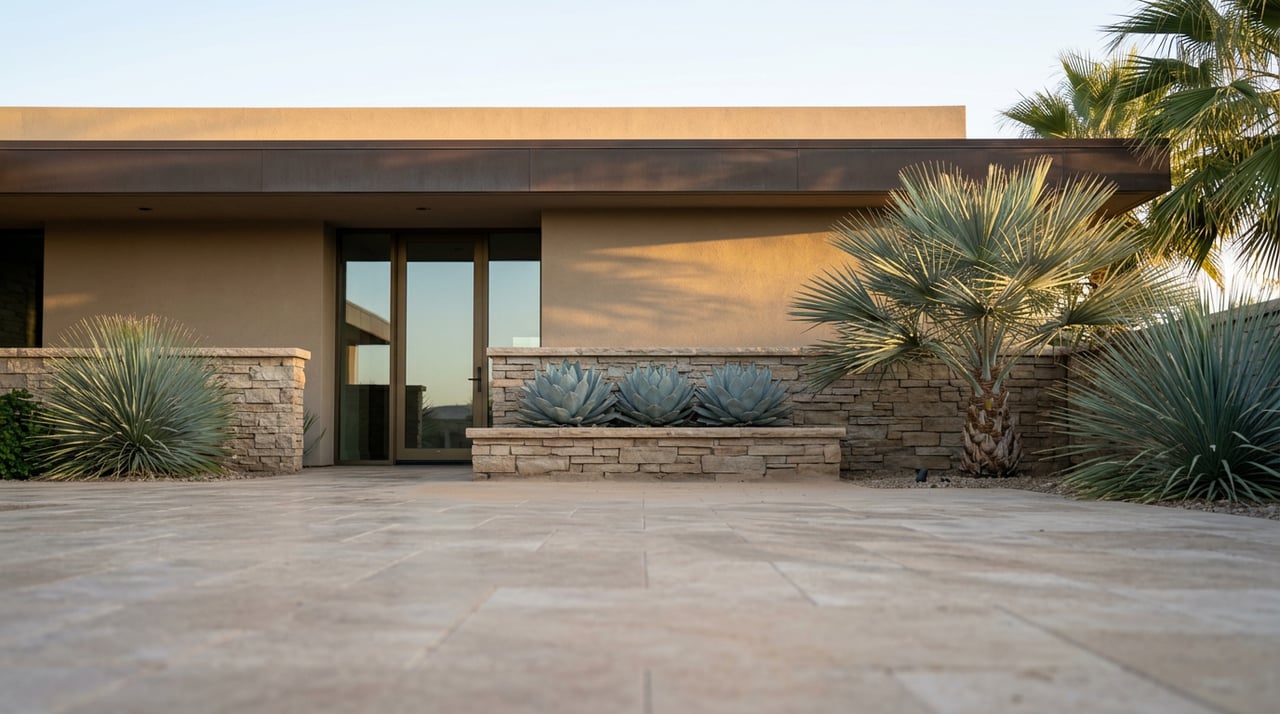
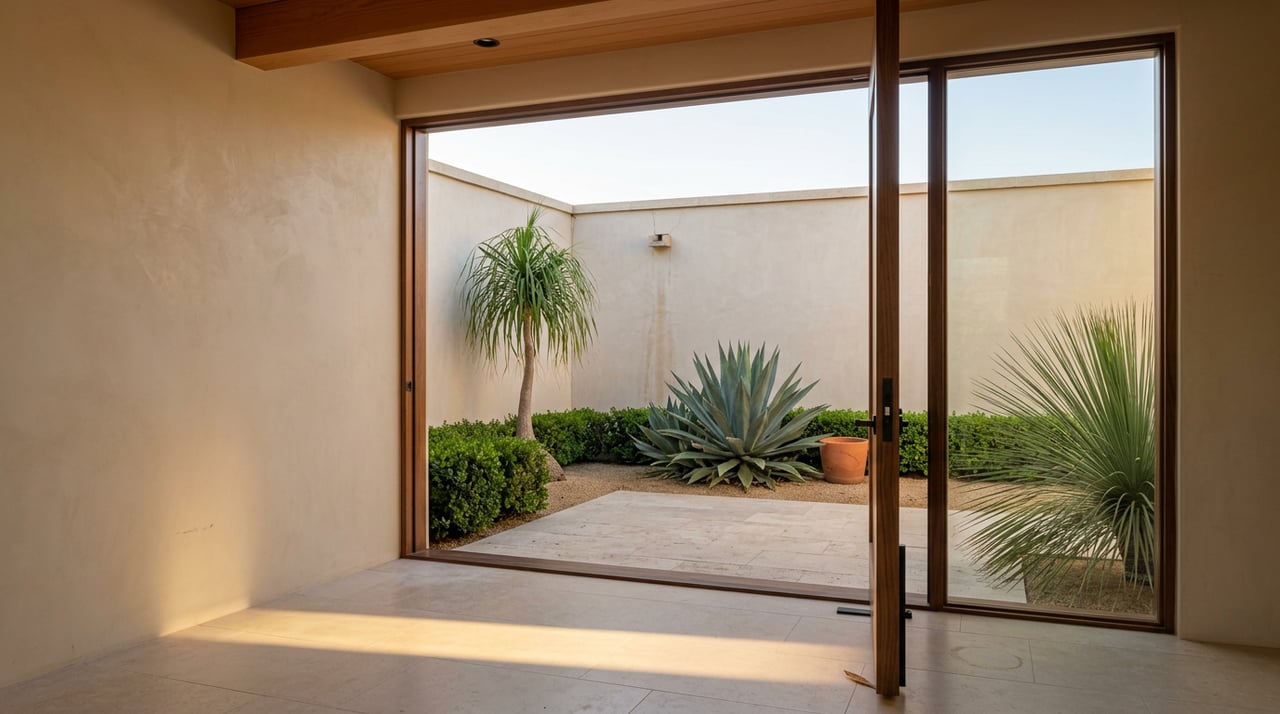
Privacy is a major lifestyle factor in the desert. Distance to neighbors, mature landscaping, walls, and courtyard design matter. Orientation to sun is also key. Afternoon shade on patios can make a big difference during hotter months, while morning light can enhance livability.
Balance view and privacy. Some top-view lots expose outdoor areas to neighboring sightlines. Evaluate landscaping for water needs and maintenance, especially where drought rules influence choices.
Pool and outdoor living
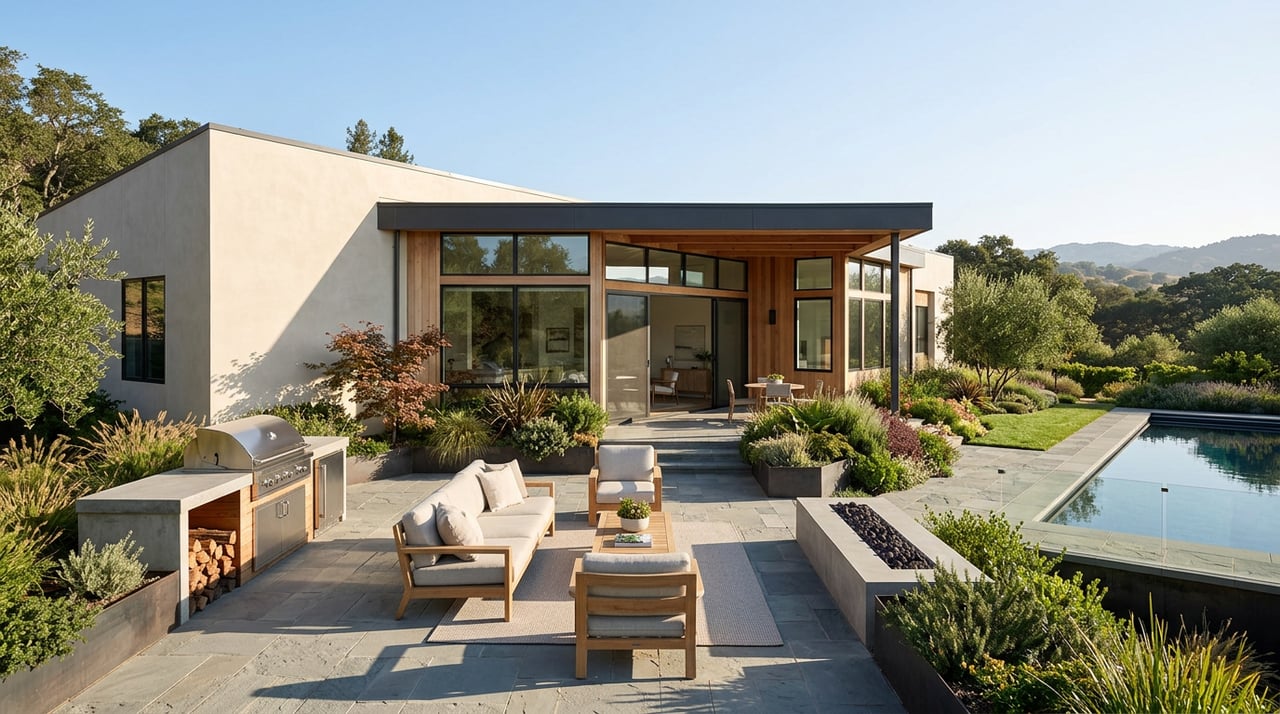
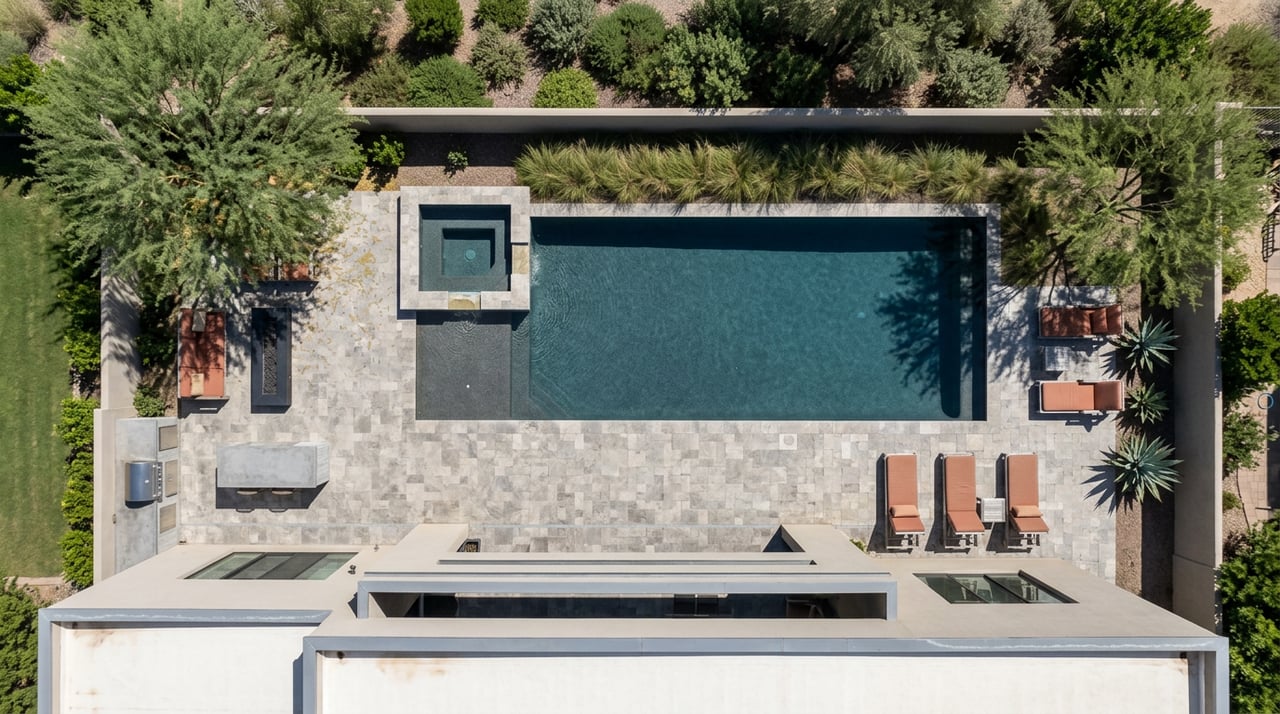
A well-sited pool that aligns with the view and main living areas can add significant value. Outdoor kitchens, fire features, and shaded lounge areas elevate the experience and broaden buyer appeal. Quality and condition drive the premium, while poorly placed pools that block views can detract from value.
Assess age of equipment, finish condition, and ongoing maintenance needs. Integrated indoor-outdoor flow is a hallmark of high-performing properties here.
Bedrooms, casitas, and garages
Function matters. Flexible layouts with a true guest suite or casita increase usability for visitors or multi-generational stays. Adequate garage capacity is also important in luxury markets where owners may store multiple vehicles, carts, and equipment.
When comparing options, weigh a separate-entry casita and bath count against total square footage. The right configuration can outshine a larger but less functional plan.
HOA, club fees, and assessments
Carrying costs affect what buyers are willing to pay. HOA dues, any club initiation or monthly fees, and potential assessments can influence demand. For some, exclusive club access supports higher pricing. Others may prioritize lower fixed costs.
Clarify whether membership is optional or required for homeowners, and understand fee structures and any capital projects. Reliable, transparent information helps you correctly value a property.
Timing and demand
Seasonality in the Coachella Valley is real. Winter and early spring often see more activity, especially among seasonal buyers. In low-inventory windows, buyers tend to accept higher premiums for top attributes. When inventory rises, premiums can compress and negotiations may open up.
Track local supply and days on market when timing your purchase. The same home can command different prices across seasons.
How to value comps in The Quarry
Start with tight comps
Begin with the most recent sales, ideally within the last 6 to 12 months. Keep your search inside The Quarry or immediately adjacent parcels with similar product type. Compare custom to custom, and single family to single family.
Control for size, but focus on usable space and layout. A well-designed 3,500-square-foot home with a better view and outdoor plan can outprice a larger but awkward layout.
Adjust for big-ticket features first
Make stepwise adjustments for the items that move price most. Start with direct course frontage and primary views from main living areas. Then adjust for lot size and usable area, followed by interior condition and level of renovation. Only after that should you dial in secondary amenities like casitas, garage capacity, and landscaping.
Order matters. Leading with the largest impact features keeps your analysis realistic and consistent.
Use paired-sales logic
Look for two sales that are very similar except for one variable, such as golf frontage. This helps you isolate a plausible premium. Because The Quarry can have limited sales at any moment, you may need to combine paired-sales insights with a component-based, or hedonic, approach.
Break value into parts: square footage, lot, view, upgrades, and outdoor living. Use multiple comps and local feedback to test your adjustments.
Convert quality to numbers
Translate qualitative differences into bracketed tiers. For example:
- View: panoramic, partial, or none.
- Frontage: direct fairway, near-course, or none.
- Renovation: turn-key luxury, dated original, or cosmetic refresh.
- Outdoor living: high-end pool and kitchen, basic pool, or minimal improvements.
Document why you placed each home in a tier, and reference at least one supporting sale for each adjustment.
Practical adjustment tips
Be conservative with rare attributes. Overstating a unique premium can lead to mispricing. If comps are thin, widen your time window with a clear note on reduced reliability. Validate your model with a local appraiser or an agent who works The Quarry regularly.
Local factors in La Quinta
Seasonal demand patterns
Luxury desert communities attract a mix of retirees, second-home buyers, and high-net-worth households. Many prioritize privacy and club life. Winter and early spring are usually more active, with inventory and buyer interest shifting around seasonal residency patterns.
Expect more competition for the best-view properties in peak months. If you prefer to negotiate, consider shopping during shoulder seasons when demand can ease.
Club and HOA rules
Community rules can shape marketability and value. Understand whether club membership is mandatory, optional, or tiered. Review any restrictions on exterior changes, holiday decor, paint palettes, and short-term rentals.
Request HOA budgets, CC&Rs, meeting minutes on assessments, and membership requirements. Informed due diligence can prevent surprises and ensure the price reflects true carrying costs.
Water and operating costs
Desert landscaping and pool care are ongoing expenses. California drought restrictions and local landscaping ordinances may influence acceptable turf, plant choices, and irrigation. Buyers often favor efficient, lower-maintenance designs that respect water guidance and reduce cost.
Ask for irrigation system details, water bills, and any recent landscape updates that improve sustainability.
Insurance and hazards
Proximity to foothills or the wildland-urban interface can affect wildfire risk and insurance pricing. Age, construction materials, and systems also influence insurability. Earthquake and flood profiles vary by micro-area.
Check hazard maps and obtain quotes for homeowners and umbrella coverage during your inspection period. This helps you compare not just the price, but the true cost of ownership.
Permits and renovation rules
Riverside County and the City of La Quinta require permits for major additions and remodels. Unpermitted work can reduce value and create compliance headaches. If you plan to renovate, estimate cost and timing to bring any work into alignment with local rules.
Request permit history for kitchens, baths, structural changes, pools, and casitas. Permit-backed upgrades carry more confidence.
Taxes and assessments
Confirm the assessed value, expected property tax basis at purchase, and any supplemental taxes. Review records for special assessments or districts that may add to your annual costs. Clear tax expectations help you compare properties apples-to-apples.
Buyer checklist and trade-offs
Pre-visit research
- Pull recent sales and active listings inside The Quarry.
- Request HOA and club documents, budgets, CC&Rs, and membership requirements.
- Check permit records with Riverside County and the City of La Quinta.
- Review parcel maps for easements, setbacks, and lot dimensions.
On-site inspection priorities
- Verify view quality from the great room, primary suite, and patios at different times of day.
- Walk lot lines to evaluate privacy, neighbor sightlines, and wall height.
- Note sun exposure on outdoor spaces during afternoon heat and morning light.
- Inspect finishes and systems: HVAC age, roof condition, pool equipment, and irrigation.
- Confirm pool placement relative to views and check for drainage issues on terraced lots.
Comp analysis worksheet
- Choose comps in the same neighborhood, similar size, and recent sale dates.
- Create adjustment lines for lot usability, frontage and views, renovation level, outdoor living, privacy, casita or guest suite, garage capacity, and permitted vs. unpermitted improvements.
- Write a brief rationale for each adjustment and tie it to at least one sale.
Common trade-offs
- View vs. privacy: Panoramic outlooks can expose outdoor areas to neighbors. Decide which you value more.
- Lot size vs. proximity: Larger lots may sit farther from club amenities. Balance yard space with access.
- Turn-key vs. value-add: Pay a premium for ready-now or pursue a discount and plan a remodel. Price in time and cost.
- Fees vs. price: High initiation or monthly costs can be offset by a lower purchase price or negotiated credits.
When comps are thin
- Engage an appraiser who understands luxury desert golf communities.
- Consider replacement cost as a reference point for unique homes.
Final thoughts
Pricing at The Quarry is driven by a few powerful fundamentals: true golf frontage, panoramic views, usable lots, turn-key condition, and intentional outdoor living. The best values are clear when you apply a structured comp method and match features to your lifestyle. With good due diligence on HOA and club rules, water and operating costs, and permitting, you can buy with confidence.
If you want help analyzing a specific property or building a comp and adjustment worksheet tailored to The Quarry, reach out to Scott Braun to get local, design-informed guidance.
FAQs
What adds the most value at The Quarry?
- Direct course frontage combined with unobstructed, panoramic views from primary living areas typically commands the strongest premium.
How should I compare golf frontage premiums?
- Use paired sales when possible, then adjust stepwise for view quality, lot usability, and orientation to estimate a conservative frontage premium.
Are HOA or club fees required to live at The Quarry?
- Requirements vary by community structure, so review HOA and club documents to confirm whether membership is optional or mandatory and how fees are structured.
When is the best time to buy in La Quinta?
- Winter and early spring are active, which can support higher premiums, while shoulder seasons may offer more room to negotiate depending on inventory.
How do I value a renovated home vs. a larger lot?
- Price the lot’s usable area and view first, then assign a quality tier to renovations, focusing on kitchens, primary baths, and outdoor living for the largest impact.
Do pools add value in The Quarry?
- A well-sited, professionally designed pool that integrates with views and outdoor living can add significant value, especially when equipment and finishes are in good condition.